הגוף ממשיך ללמודThe body keeps learning
קבוצה קטנה באוויר הפתוח, פעמיים בשבוע: טאי צ'י וצ'י גונג, כוח ומוביליטי, וג'אגלינג. לכל תרגיל כמה רמות, ובלי צורך בניסיון קודם.A small group outdoors, twice a week: tai chi and qigong, strength and mobility, and juggling. Every exercise comes in several levels, and no prior experience is needed.
- בני 60+ עצמאייםIndependent adults 60+
- פעמיים בשבועTwice a week
- שעה בכל מפגשOne hour per session
- באוויר הפתוחOutdoors
- שלוש רמות לכל תרגילThree levels per exercise
או להתקשר: 050-483-0887Or call: 050-483-0887
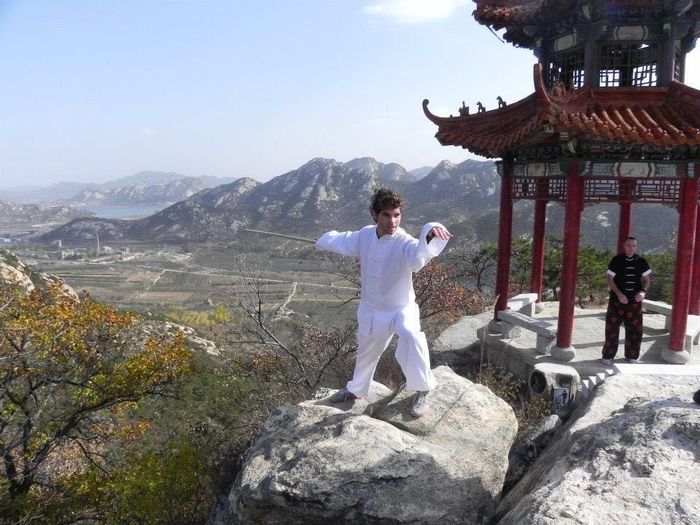
להמשיך לנוע, ללמוד ולהכיר אנשיםTo keep moving, learning, and meeting people
הקבוצה מיועדת לבני 60 ומעלה שמתפקדים באופן עצמאי ורוצים להמשיך לנוע, ללמוד דברים חדשים ולהכיר אנשים.The group is for people aged 60 and over who function independently and want to keep moving, learning new things, and meeting people.
בקבוצה מתאמנים בשיווי משקל, בכוח ובתיאום, ולומדים דברים חדשים, כמו ג'אגלינג עם כדורים וצעיפים או רצפים של טאי צ'י. כל תרגיל מוצע בכמה רמות קושי, בהתאם ליכולת ולתחושה באותו יום. יש גם הרבה צחוק, בעיקר כשכדור נופל. בכל מפגש מסבירים גם למה עושים כל תרגיל ואיך הוא קשור לפעולות היומיום.In the group we train balance, strength, and coordination, and learn new things, such as juggling with balls and scarves or tai chi sequences. Every exercise is offered at several levels, according to ability and how you feel that day. There is also a lot of laughter, especially when a ball drops. In every session we also explain why we do each exercise and how it relates to everyday actions.
לבני משפחה שמחפשים פעילות להורה, אפשר לבדוק התאמה יחד.For family members looking for an activity for a parent, we can check suitability together.
אנשים בני 6 עד 89 למדו ג'אגלינגpeople aged 6 to 89 learned to juggle
אחרי הדרכה ושישה ימי תרגול, מבוגרים השתפרו ובממוצע הגיעו לביצועי ג'אגלינג דומים לאלה של ילדים בני 10 עד 14 ושל בוגרים בני 30 עד 59. רק בני 15 עד 29 הציגו ביצועים גבוהים יותר באופן מובהק.After instruction and six days of practice, older adults improved and on average reached juggling performance similar to that of children aged 10 to 14 and adults aged 30 to 59. Only people aged 15 to 29 performed significantly higher.
Voelcker-Rehage & Willimczik, 2006שעה באוויר הפתוח, מבנה קבוע ותוכן משתנהOne hour outdoors, a fixed structure and changing content
נפתחים בנשימה והליכה איטיתOpening with breathing and slow walking
כך נכנסים למפגש.How we enter the session.
טאי צ'י וצ'י גונגTai chi and qigong
רצפי תנועה איטיים, נשימה והעברות משקל, עם עבודה על שיווי משקל וקשב לגוף.Slow movement sequences, breathing, and weight shifts, with work on balance and body awareness.
ג'אגלינגJuggling
מתחילים מכדור אחד וממשיכים בשלבים. לכל שלב הצלחה משלו: חלק מהמשתתפים יגיעו לשלושה כדורים, וחלק ייהנו מהשלבים הראשונים. בהמשך גם צעיפים ופוי.We start with one ball and continue in stages. Each stage has its own success: some participants will reach three balls, and some will enjoy the first stages. Later also scarves and poi.
כוח ומוביליטיStrength and mobility
קימה מכיסא, צעד, העברת משקל, הושטה, משיכה ונשיאה, כלומר התנועות של הבית, המטבח והמדרכה.Getting up from a chair, stepping, shifting weight, reaching, pulling, and carrying: the movements of home, kitchen, and sidewalk.
אתגרי תנועה ולמידהMovement and learning challenges
כשהתנועה כבר מוכרת, מוסיפים אתגר: להחליף צד באמצע רצף, לספור בקול תוך כדי הליכה, לשנות חוק באמצע התרגיל. מוסיפים בהדרגה ולמי שמוכן לכך.Once a movement is familiar, we add a challenge: switching sides in the middle of a sequence, counting aloud while walking, changing a rule mid-exercise. Added gradually and for those who are ready.
סגירהClosing
נשימה ושלוש שאלות קצרות: מה היה קשה, מה היה קל, ואיפה הרגשתי בגוף.Breathing and three short questions: what was hard, what was easy, and where did I feel it in my body.
שלוש רמות, ובחירה בכל יוםThree levels, and a choice every day
לכל תרגיל יש כמה גרסאות, ושלוש רמות מארגנות אותן. כל מפגש מתחיל בהדגמה של הגרסאות יחד.Every exercise has several versions, organized into three levels. Every session begins with a demonstration of the versions together.
בסיסBasic
להתחיל בנוחות, עם תמיכה אם צריך: קימה מכיסא גבוה, סקוואט לספסל, שכיבות סמיכה על קיר, ג’אגלינג עם כדור אחד.Start comfortably, with support if needed: getting up from a high chair, a squat to a bench, wall push-ups, juggling with one ball.
תפקודיFunctional
הרמה שרוב המשתתפים עובדים בה: סקוואט, צעד צידי, עלייה על מדרגה, נשיאה, משיכה בגומייה.The level most participants work at: squat, side step, stepping up, carrying, pulling with a resistance band.
אתגרChallenge
לדחוף קדימה: עמידה על רגל אחת עם משימה, תנועה לפי חוק שמשתנה, סקוואט מפוצל.To push forward: standing on one leg with a task, movement with a changing rule, a split squat.
הרמה נבחרת לפי היכולת וההרגשה באותו יום, בשיתוף עם המדריך, ולא לפי הגיל בלבד. אדם בן 62 יכול להתאמן בעצימות גבוהה, ואדם בן 75 יכול להיות פחות פעיל, ולאותו אדם יש ימים טובים וימים פחות טובים. המעבר לגרסה מאתגרת יותר נעשה בהדרגה, אחרי ביצוע מבוקר של הגרסה הקודמת.The level is chosen by ability and how you feel that day, together with the instructor, and not by age alone. A 62-year-old can train at high intensity, a 75-year-old can be less active, and the same person has good days and less good days. Moving to a more challenging version is gradual, after controlled performance of the previous one.
תרגול שמכוון ליום-יוםPractice aimed at daily life
בשביל ובטיולOn a trail and on a trip
העברת משקל ועלייה על מדרגה, כדי ללכת בביטחון על שביל לא אחיד, ולהמשיך לדבר ולהסתכל סביב בזמן שהולכים.Weight shifts and stepping up, so you can walk confidently on uneven ground and keep talking and looking around while you walk.
בשוק ובביתAt the market and at home
נשיאה ותנועה מהירך, כדי להרים ולשאת קניות ולהגיע למדף הגבוה.Carrying and hip-driven movement, to lift and carry groceries and reach the high shelf.
בנסיעהIn the car
להרים מזוודה לתא המטען, ולקום ולהתיישב ברכב בקלות.Lifting a suitcase into the trunk, and getting up and sitting down in the car with ease.
בגינה ובפנאיIn the garden and in leisure
להתכופף, להרים חפצים ולהמשיך לנוע.Bending, lifting objects, and continuing to move.
התרגול מכוון ליכולות שחשובות ביום־יום: ללכת בביטחון, לקום מכיסא בקלות, להתכופף ולהרים בלי לחשוש, לשמור קשב תוך כדי הליכה ושיחה ולהמשיך ללמוד. כל משתתף מתקדם בקצב שלו, ואין הבטחה לתוצאה מסוימת.The practice is aimed at abilities that matter day to day: walking confidently, getting up from a chair easily, bending and lifting without fear, keeping attention while walking and talking, and continuing to learn. Each participant progresses at their own pace, and no particular result is promised.
שלושה ממצאים, והסתייגות אחתThree findings, and one caveat
ג'אגלינג ולמידה בגיל מבוגרJuggling and learning in older age
Voelcker-Rehage ו-Willimczik (2006) בדקו 1,206 אנשים בגילאי 6 עד 89, ללא ניסיון קודם בג'אגלינג, אחרי הדרכה ושישה ימי תרגול. ההשוואה היא בין ביצועי ג'אגלינג בממוצע קבוצתי, ולא בין יכולות אחרות או בין אנשים בודדים.Voelcker-Rehage and Willimczik (2006) studied 1,206 people aged 6 to 89 with no prior juggling experience, after instruction and six days of practice. The comparison is of average group juggling performance, not of other abilities or of individuals.
שיווי משקל וכוחBalance and strength
ארגון הבריאות העולמי (2020) ממליץ לבני 65 ומעלה לשלב פעילות מגוונת, בדגש על שיווי משקל תפקודי וחיזוק שרירים, בעצימות בינונית ומעלה, לפחות שלושה ימים בשבוע. הקבוצה משלבת חלק מסוגי הפעילות האלה, אך אינה מיועדת כשלעצמה למלא את כלל ההמלצות השבועיות, ולכן מומלץ גם תרגול קצר בבית.The World Health Organization (2020) recommends that people aged 65 and over combine varied physical activity, with an emphasis on functional balance and muscle strengthening, at moderate or greater intensity, on at least three days a week. The group includes some of these types of activity but is not designed on its own to meet all the weekly recommendations, so short practice at home is also recommended.
נפילותFalls
סקירת Cochrane של Sherrington ואחרים (2019), שכללה ניסויים באנשים בני 60 ומעלה החיים בקהילה, מצאה שתרגול שיווי משקל ותרגול פונקציונלי הפחית את קצב הנפילות בכ-24%, ברמת ודאות גבוהה. זו ראיה על סוגי תרגול באוכלוסיות שנחקרו, ולא תוצאה שנמדדה בקבוצה הזו.A Cochrane review by Sherrington and colleagues (2019), which included trials in community-dwelling people aged 60 and over, found that balance and functional exercise reduced the rate of falls by about 24%, with high certainty. This is evidence about types of exercise in the populations studied, not a result measured in this group.
אלה ממצאים על קבוצות של אנשים. הם מסבירים למה המפגש בנוי כך, ואינם הבטחה לתוצאה אצל משתתף מסוים.These are findings about groups of people. They explain why the session is built this way, and are not a promise of results for any particular participant.
מקורות מלאיםFull references
Voelcker-Rehage C, Willimczik K. Motor plasticity in a juggling task in older adults: a developmental study. Age and Ageing. 2006;35(4):422-427. doi:10.1093/ageing/afl025.
Sherrington C, Fairhall NJ, Wallbank GK, et al. Exercise for preventing falls in older people living in the community. Cochrane Database of Systematic Reviews. 2019;1:CD012424.
World Health Organization. WHO guidelines on physical activity and sedentary behaviour. Geneva: WHO; 2020.
מתחילים בבדיקה, לא בהנחהWe start with checking, not assuming
הצהרת בריאות והיכרותHealth declaration and introduction
לפני ההצטרפות ממלאים הצהרת בריאות קצרה ומשוחחים על מגבלות או מצבים שעשויים להשפיע על ההתאמה לפעילות. במפגש הראשון נערכת היכרות תפקודית, כדי להתאים את התרגילים ליכולת ולניסיון של כל משתתף.Before joining, you fill in a short health declaration and we talk about limitations or conditions that may affect suitability for the activity. In the first session there is a short functional introduction, to adjust the exercises to each participant’s ability and experience.
התאמה ובירור רפואיAdjustment and medical clarification
התרגילים מוצעים ברמות קושי שונות ומותאמים לפי הצורך. לא כל מגבלה מתאימה לכל פעילות, ובמקרים מסוימים יידרש בירור רפואי לפני ההשתתפות.Exercises are offered at different difficulty levels and adjusted as needed. Not every limitation suits every activity, and in some cases medical clarification will be required before participating.
תוך כדי הפעילותDuring the activity
כאב חריג, לחץ בחזה, סחרחורת או בחילה מחייבים עצירה מיידית ובחינת המצב. מים זמינים לאורך המפגש.Unusual pain, chest pressure, dizziness, or nausea require stopping immediately and checking the situation. Water is available throughout the session.
שלושה צעדיםThree steps
שיחת היכרות קצרהA short intro call
ובדיקת התאמה.And a suitability check.
הצהרת בריאות קצרהA short health declaration
כדי להתאים את הפעילות.To adjust the activity.
מפגש ראשוןA first session
כולל היכרות תפקודית קצרה והתאמת התרגילים.Including a short functional introduction and adjustment of the exercises.
קבוצה קטנה. את היום, השעה והמיקום מקבלים בשיחת ההיכרות.A small group. The day, time, and location are given in the intro call.
או להתקשר: 050-483-0887
Or call: 050-483-0887
הקבוצה יכולה לפעול גם אצלכםThe group can also run at your site
מתנ"ס, מחלקת גיל שלישי או אזרחים ותיקים ברשות מקומית, מועדון גמלאים, דיור מוגן או מרכז יום. הפעילות נבנית לפי המסגרת, המשתתפים והמקום, ואפשר להתחיל בשיחה על מה שמתאים.A community center, a senior or veterans department in a local authority, a retirees’ club, sheltered housing, or a day center. The activity is built around the setting, the participants, and the place, and we can start with a conversation about what fits.
שאלות נפוצותFrequently asked questions
צריך ניסיון קודם?
לא. מתחילים מכדור אחד, ולכל תרגיל יש גרסת בסיס.
ומה אם לא אצליח להגיע לשלושה כדורים?
אין חובה להגיע לשם. הלמידה בנויה בשלבים, ולכל שלב הצלחה משלו. חלק מהמשתתפים יגיעו לשלושה כדורים וחלק ייהנו מהשלבים המוקדמים, ושני המסלולים נחשבים הצלחה.
אני פעיל ורוצה אתגר. האם זה מתאים?
כן. לכל תרגיל יש גם רמת אתגר, ואפשר להוסיף משימות כמו חוק שמשתנה או משימת קשב.
יש לי מגבלה גופנית. אפשר להצטרף?
ההתאמה נבחנת באופן אישי, לפי המצב הבריאותי והיכולת התפקודית. לא כל מגבלה מתאימה לכל פעילות, ולכן כדאי לברר זאת מראש.
האם זו קבוצה שיקומית או טיפולית?
לא. זו קבוצת תנועה, אימון ולמידת מיומנויות לאנשים שמתפקדים באופן עצמאי. היא אינה תחליף לשיקום או לטיפול רפואי.
מה צריך להביא?
נעליים סגורות ויציבות, בגדים נוחים ובקבוק מים. ציוד התרגול מסופק במפגש.
Is prior experience needed?
No. We start with one ball, and every exercise has a basic version.
What if I don't get to three balls?
There is no obligation to get there. Learning is built in stages, and each stage has its own success. Some participants will reach three balls and some will enjoy the early stages, and both paths count as success.
I'm active and want a challenge. Is this for me?
Yes. Every exercise also has a challenge level, and tasks such as a changing rule or an attention task can be added.
I have a physical limitation. Can I join?
Suitability is checked individually, according to health status and functional ability. Not every limitation suits every activity, so it is worth checking in advance.
Is this a rehabilitation or therapy group?
No. It is a group for movement, training, and learning skills, for people who function independently. It is not a substitute for rehabilitation or medical treatment.
What should I bring?
Closed, stable shoes, comfortable clothes, and a bottle of water. Practice equipment is provided at the session.
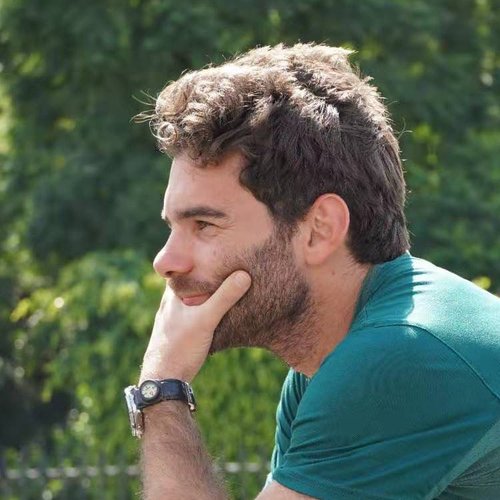
מי מובילWho leads
אמיתי קרני, מטפל פסיכומוטורי. תואר שני (M.Ed) ממכון וינגייט בהתמחות פסיכומוטוריקה, תואר ראשון ברפואה סינית מאוניברסיטה בבייג'ינג והכשרה בנוירופלסטיות בהדרכת פרופ' יוסי חלמיש. כעשור של ניסיון מקצועי בעבודה עם נוער ומבוגרים, והנחיית קבוצות במסגרות בריאות הנפש ובבית הספר.Amitai Carney, psychomotor therapist. Master’s degree (M.Ed) from the Wingate Institute, specializing in psychomotorics; bachelor’s degree in Chinese medicine from a university in Beijing; training in neuroplasticity under Prof. Yossi Halamish. About a decade of professional experience working with teens and adults, and facilitating groups in mental health settings and at school.
להכיר אותיGet to know meמתחילים בשיחה קצרהWe start with a short conversation
רוצים לבדוק אם הקבוצה מתאימה לכם או להורה שלכם? שיחת היכרות קצרה ולא מחייבת.Want to check whether the group suits you or a parent of yours? A short, no-obligation intro call.
או להתקשר: 050-483-0887
Or call: 050-483-0887