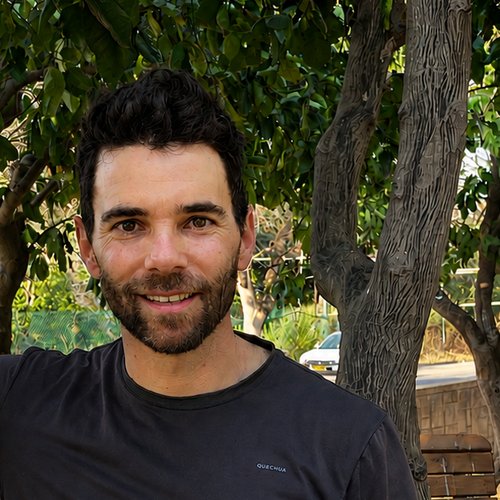
אמיתי קרני
נשוי למיכלי ואבא של אריאלי
השילוב בין הכשרה אקדמית לבין שנים של ניסיון מעשי עם בני נוער ומבוגרים.
Amitai Carney
Married to Michali, father to Arieli
The combination of academic training and years of hands-on experience with teens and adults.
הרקע האקדמי שלי
רפואה סינית
תואר ראשון — אוניברסיטת בייג'ינג לרפואה סינית (BUCM)
מדעי החינוך הגופני
תואר שני (M.Ed) — מכון וינגייט
נוירופלסטיות
הכשרה מקצועית
ניסיון מקצועי בשטח
מערכת החינוך · בתי מאזן לנוער ולמבוגרים
Academic background
Chinese medicine
B.A. — Beijing University of Chinese Medicine (BUCM)
Physical education sciences
M.Ed — Wingate Institute
Neuroplasticity
Professional training
Hands-on professional experience
The education system · Beit Mazan homes for teens and adults
אני עוסק בפיתוח יכולות תפקודיות אצל בני נוער ומבוגרים באמצעות גוף, תנועה וסביבה, מתוך הכשרה אקדמית משמעותית ושנים של ניסיון מעשי במערכת החינוך ובמסגרות בריאות הנפש.
I work on developing functional capacities in teens and adults through body, movement, and environment, grounded in substantial academic training and years of hands-on experience in the education system and in mental health settings.
השכלה והכשרה
Education & training
- תואר ראשון ברפואה סינית — אוניברסיטת בייג'ינג לרפואה סינית (BUCM)
- תואר שני (M.Ed) במדעי החינוך הגופני — מכון וינגייט, עם התמחות בפסיכומוטוריקה
- הכשרה מקצועית בנוירופלסטיות — בהדרכת פרופ' יוסי חלמיש
- B.A. in Chinese Medicine — Beijing University of Chinese Medicine (BUCM)
- M.Ed in Physical Education Sciences — Wingate Institute, with a specialization in psychomotorics
- Professional training in neuroplasticity — under Prof. Yossi Chalamish
ניסיון מקצועי
Professional experience
מערכת החינוך — חטיבת הביניים "אחרון הבילויים", חלק מקריית החינוך "העמית" (מקיף ג'), ראשון לציון
עבודה פרטנית עם תלמידי חטיבת הביניים, בעלי צרכים שונים, המתמודדים עם קשיים בקשב, ויסות, גמישות, יוזמה, התמדה והשתתפות. אני בקשר שוטף עם ההורים, המורים, היועצת ולעיתים גם מטפלים נוספים שמלווים את הנער, ופעם בכמה חודשים כל אנשי הצוות המטפל נפגשים יחד. הקשר הרציף הזה מאפשר לראות את השינוי בזמן אמת, לא רק לשמוע עליו. כשעובדים על עיכוב תגובה, אפשר לראות איך זה מתבטא בפחות קללות, פחות אלימות, פחות פעמים שהנער יוצא בכעס מהכיתה. כשעובדים על יוזמה או גמישות, אפשר לראות את ההשפעה על ההשתתפות בשיעור ובהפסקה. העבודה בבית הספר משקפת את האמון שמערכת החינוך נותנת בגישה שלי לאורך זמן. באותה מידה, בעבודה הפרטית אני בונה שותפות צמודה עם ההורים עצמם, שמלווים את הנער יום-יום ומהם אני מקבל את התמונה המלאה על איך השינוי מתבטא בבית, בבית הספר ובחיים החברתיים.
בית מאזן למבוגרים — העוגן
עבודה שוטפת ומתמשכת עם מבוגרים במצבים נפשיים מורכבים, כחלק מצוות מקצועי רב-תחומי. העבודה הזו נמשכת גם היום, ולימדה אותי שהעקרונות שבבסיס הגישה שלי (פיתוח יכולת דרך הגוף, התאמת האתגר, עבודה על ויסות ותפקוד) מתאימים גם מעבר לגיל ההתבגרות. בעבודה הזו אני משתמש בגוף ובתנועה כדי לעבוד על ויסות עוררות, מודעות גופנית והתמודדות עם מצבים מאתגרים, תמיד לצד הטיפול התרופתי והפסיכותרפויטי הקיים ולא במקומו. אפשר לקרוא יותר על עבודה גופנית בבריאות הנפש.
בית מאזן לנוער — עלות השחר
כשנתיים של עבודה עם בני נוער במצבים נפשיים מורכבים, כחלק מצוות רב-מקצועי. העבודה שם התבססה על אותם עקרונות (פיתוח יכולות תפקודיות דרך גוף ותנועה), אבל בהקשר שונה לגמרי מעבודה פרטית או בית-ספרית: נערים במשבר עמוק יותר, שהיציבות הבסיסית שלהם עצמה הייתה חלק מהעבודה, לצד צוות טיפולי רחב שכלל פסיכולוגים, עובדים סוציאליים וצוות חינוכי. במהלך העבודה שם העמקתי עוד יותר בעקרונות העבודה שלי.
Education system — Achron HaBiluim middle school, part of the "HaAmit" education campus (Makif Gimel), Rishon LeZion
One-on-one work with middle school students of varying needs, facing difficulties with attention, regulation, flexibility, initiative, persistence, and participation. I stay in ongoing contact with parents, teachers, the school counselor, and sometimes other therapists supporting the teen, and every few months the full care team meets together. This continuous contact lets me see change in real time, not just hear about it. When working on response inhibition, I can see it show up as fewer curses, less aggression, fewer times the teen storms out of class in anger. When working on initiative or flexibility, I can see the effect on actual participation in class and during breaks. The work at school reflects the trust the education system has placed in my approach over time. In the same way, in private work I build a close partnership with the parents themselves, who accompany the teen day to day and give me the full picture of how the change shows up at home, at school, and in social life.
Beit Mazan for adults — HaOgen
Ongoing, continuing work with adults in complex mental health situations, as part of a multidisciplinary professional team. This work continues today, and it taught me that the principles underlying my approach (developing capacity through the body, matching challenge, working on regulation and function) fit well beyond the teenage years too. In this work, I use the body and movement to work on arousal regulation, body awareness, and coping with challenging situations, always alongside existing medication and psychotherapy, not in place of them. You can read more about Body Work in Mental Health.
Beit Mazan for youth — Beit Alot HaShachar
About two years of work with teens in complex mental health situations, as part of a multidisciplinary team. The work there was grounded in the same principles (developing functional capacities through body and movement), but in a completely different context from private or school-based work: teens in deeper crisis, whose basic stability was itself part of the work, alongside a broad care team that included psychologists, social workers, and educational staff. That period deepened the principles behind my approach even further.
ניסיון בינלאומי
International experience
סין
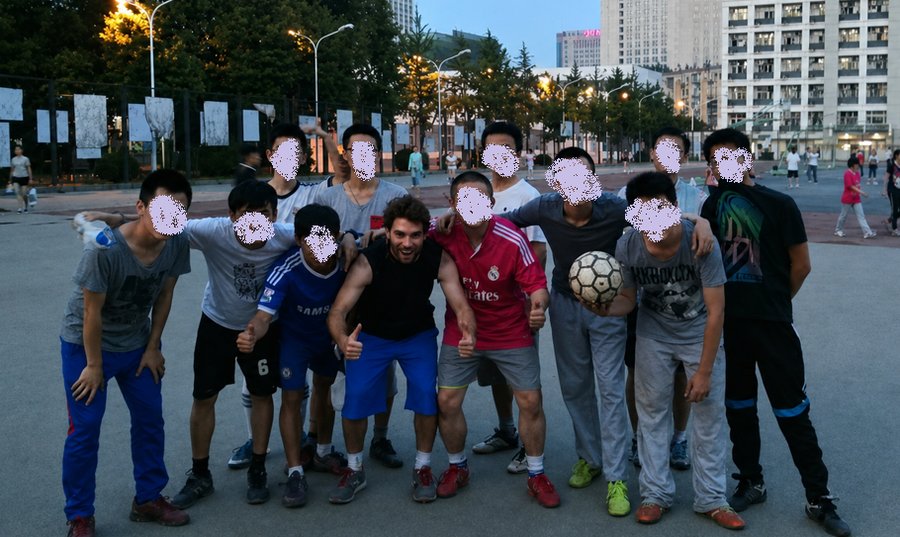
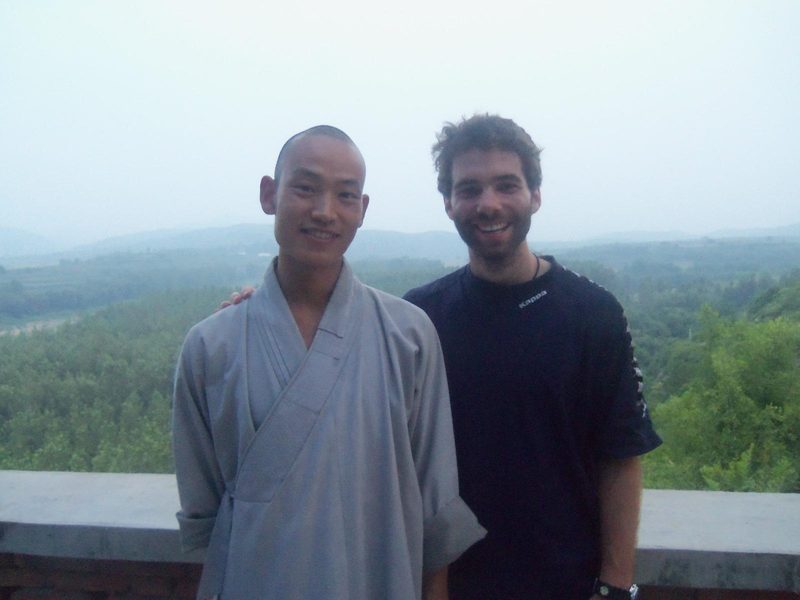
חמש שנים בבייג'ינג, בתקופת לימודי הרפואה הסינית, תקופה שבה גם למדתי את היסודות וגם התחלתי לגבש את הדרך שבה אני חושב על גוף ותנועה. לצד הלימודים, הובלתי קבוצות חברתיות-תנועתיות לילדים סינים במתחם האוניברסיטה, וגם עבדתי עם כמה מטופלים פרטניים. זו הייתה הפעם הראשונה שבה שילבתי בין מה שלמדתי ברפואה הסינית לבין עבודה ישירה על תפקוד וקשיים אצל ילדים.
ארצות הברית
הדרכתי במחנה קיץ בארצות הברית שנועד במיוחד לילדים ובני נוער המתמודדים עם קשיים, עבודה מקצועית לכל דבר ולא דרך תוכנית שליחות מסודרת. במשך חודשים גרתי ועבדתי עם הנערים ביער, בשגרה יומיומית אינטנסיבית שרחוקה מאוד ממתכונת של פגישה שבועית: הייתי איתם כל היום, כל יום, בפעילויות, בארוחות ובמעברים בין פעילות לפעילות. בדיוק שם ראיתי לראשונה עד כמה קשיים תפקודיים באים לידי ביטוי לאורך כל שעות היום, לא רק ב"מפגש". עבדתי עם נערים שהתמודדו עם אתגרים מגוונים: אוטיזם, חרדה, קשיי קשב ועוד.
גואטמלה
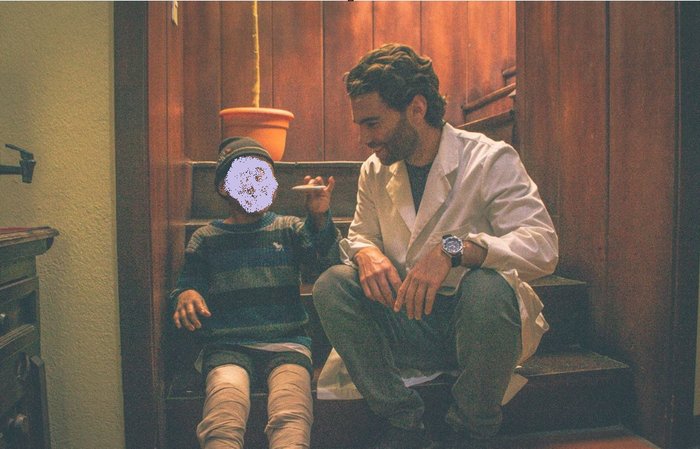
לאחר התואר השני עברתי לגואטמלה, וגרתי בעיר קצלטננגו (Quetzaltenango). עבדתי בקליניקה לבריאות משולבת, לצד רופא סיני, פיזיותרפיסטית ורופא קונבנציונלי: צוות רב-תחומי אמיתי, שדרכו קיבלתי מטופלים מגוונים, מבוגרים ובני נוער כאחד. עם המבוגרים עבדתי בעיקר ברפואה סינית קלאסית, דיקור ותרגול תנועה מסורתי. עם הנוער שהגיע לטיפול, לעומת זאת, כבר עבדתי בגישה פסיכומוטורית, אותה גישה שהמשכתי לפתח מאז. במקביל לעבודה הקלינית, הובלתי גם קבוצות חברתיות-טיפוליות במרחב הקהילתי.
China
Five years in Beijing, during my studies in Chinese medicine, a period when I both learned the fundamentals and began shaping the way I think about body and movement. Alongside my studies, I led social movement-based groups for Chinese children on the university campus, and also worked with a few individual clients. That was the first time I combined what I was learning in Chinese medicine with direct work on function and difficulties in children.
United States
I instructed at a summer camp in the United States specifically for children and teens facing difficulties, real professional work and not a placement program. For months I lived and worked with the teens in the forest, in an intensive daily routine far removed from a weekly-session format: I was with them all day, every day, through activities, meals, and transitions between activities. That's where I first saw how much functional difficulties show up across every hour of the day, not just in "a session." I worked with teens facing a range of challenges: autism, anxiety, attention difficulties, and more.
Guatemala
After my master's degree, I moved to Guatemala and lived in the city of Quetzaltenango. I worked at an integrative health clinic alongside a Chinese medicine doctor, a physiotherapist, and a conventional doctor: a genuine multidisciplinary team, through which I saw a range of patients, adults and teens alike. With adults, I worked mainly in classical Chinese medicine, acupuncture and traditional movement practice. With the teens who came in for treatment, I was already working in a psychomotor approach, the same approach I've continued developing since. Alongside the clinical work, I also led therapeutic social groups in the community.
מסגרות ההתייחסות שמנחות אותי
The frameworks that guide me
ההנחה שעומדת בבסיס העבודה שלי פשוטה: כל נער נולד עם מערכת עצבים ותכונות מזג משלו. הגוף הוא הכלי שדרכו המערכת הזו מוצאת ביטוי בפועל, וההתנהגות שאנחנו רואים היא התוצאה הנראית של כל זה יחד. הדרך שבה אני עובד נשענת על כמה מסגרות תיאורטיות מרכזיות, שכל אחת מהן תורמת זווית משלה להבנה הזו.
נוירופלסטיות היא ההנחה הבסיסית שעליה נשען כל השאר: המוח מסוגל להשתנות, גם הרבה אחרי גיל ההתבגרות המוקדם, אבל השינוי הזה דורש תרגול חוזר ועקבי, לא הבנה חד-פעמית. מי שמתרגל, בונה בהדרגה דפוסים חדשים; בלי תרגול, גם התובנה הטובה ביותר נשארת רעיון בלבד. זו הסיבה שהעבודה שלי בנויה סביב חזרה והתנסות מתמשכת, לא סביב מפגש בודד שאמור "לתקן" משהו.
גישת ה-Bottom-Up, המבוססת על עבודתם של חוקרים כמו בסל ואן דר קולק ופיטר לוין, מניחה ששינוי רגשי והתנהגותי לא תמיד מתחיל משיחה, אלא לעיתים קרובות מהגוף עצמו, מהחוויה התחושתית-מוטורית. זו הסיבה שגם כשהמילים חשובות, הן לא תמיד המקום הראשון שממנו מתחילים.
המרכיב הפסיכו-חינוכי נשען על אותו עיקרון: גם כשעובדים דרך הגוף, תמיד מחברים את מה שקורה בחזרה לחיים, וזו בדיוק החוליה שהכי קשה להשלים, ההכללה. אז כן, יש גם דיבור, אבל הוא ממוקד ומצומצם: לא ניתוח מילולי ארוך, אלא חיבור ישיר בין מה שהנער חווה בגוף לבין המקומות בחיים שבהם הוא צריך את אותה יכולת.
המודל של ראסל בארקלי לתפקודים ניהוליים ו-ADHD רואה בעיכוב התנהגותי את הבסיס שעליו נשענים תפקודים מורכבים יותר, כמו זיכרון עבודה, ויסות רגשי ותכנון. זה מסביר למה כל כך הרבה משימות בעבודה שלי בנויות סביב עצירה ובחירה, לא רק סביב "לעשות".
מודל האישיות של מרווין צוקרמן מסביר הבדלים בין נערים על בסיס ביולוגי ומזגי, למשל נטייה לחיפוש תחושות אימפולסיבי. במקום לנסות לחסום את הצורך הזה, אני שואף לנתב אותו לתוך משימות תנועתיות מאתגרות ומבוקרות.
עבודה על אינטרוספציה מבוססת על ההבנה שקושי לזהות עוררות מוקדם מקשה על ויסות בזמן אמת. חלק מהעבודה שלי הוא ללמד נערים לשים לב לאותות הגוף שלהם לפני שהם מוצפים, לא רק להגיב אחרי.
מושג ה"חלון הסבילות" (Window of Tolerance), שטבע דניאל סיגל, מתאר טווח של עוררות שבתוכו אדם מסוגל לתפקד, לחשוב בבהירות ולהגיב בהתאמה למצב. מחוץ לטווח הזה, בין אם בעוררות גבוהה מדי או נמוכה מדי, התפקוד נפגע. חלק מרכזי מהעבודה שלי הוא להרחיב בהדרגה את הטווח הזה אצל הנער, כך שיוכל להישאר מווסת ופעיל גם מול דרישות שבעבר היו מוציאות אותו מאיזון.
מחקר בלמידה מוטורית, ובפרט תיאוריית ה-Constrained Action של גבריאלה וולף על מיקוד קשב פנימי מול חיצוני, מראה שהפניית קשב לתוצאה של התנועה מובילה בדרך כלל ללמידה יעילה יותר מהפניית קשב לתנועה עצמה. אני משתמש בעיקרון הזה כדי לבחור איך להנחות נער במהלך משימה.
העקרונות שספגתי בלימודי הרפואה הסינית ובעבודה עם תנועות מזרחיות (יציבה, מרכז כובד, נשימה מבוקרת) משפיעים על האופן שבו אני מלמד נער לשהות באי-נוחות פיזית קלה, ולשמור על יציבות פנימית גם תחת גירויים מציפים.
המסגרות האלה לא מוחלות אחת-אחת בכל מפגש. הן חלק מהשפה המקצועית שדרכה אני מבין מה קורה אצל נער ספציפי, ובוחר איך לבנות עבורו את ההתנסות הבאה. המסגרות התיאורטיות האלה מתאימות לעבודה גם עם מבוגרים, עם ההתאמות המתבקשות לגיל, למערכת העצבים ולהקשר החיים הספציפי של כל אדם.
The assumption at the base of my work is simple: every teen is born with his own nervous system and temperament. The body is the tool through which that system finds practical expression, and the behavior we see is the visible result of all of it together. The way I work draws on several central theoretical frameworks, each contributing its own angle on this understanding.
Neuroplasticity is the basic premise everything else rests on: the brain can change, even well past early adolescence, but that change requires repeated, consistent practice, not a one-time insight. Practice gradually builds new patterns; without it, even the best insight stays just an idea. That's why my work is built around repetition and ongoing experience, not a single session meant to "fix" something.
The Bottom-Up approach, based on the work of researchers like Bessel van der Kolk and Peter Levine, holds that emotional and behavioral change doesn't always start with conversation, but often starts with the body itself, with sensory-motor experience. That's why, even when words matter, they aren't always the first place to start.
The psycho-educational component rests on the same principle: even when working through the body, what happens is always connected back to life, and that's exactly the link that's hardest to complete, generalization. So yes, there's also talking, but it's focused and limited: not long verbal analysis, but a direct connection between what the teen experiences in his body and the places in life where he needs that same capacity.
Russell Barkley's model of executive function and ADHD treats behavioral inhibition as the foundation that more complex functions rest on, such as working memory, emotional regulation, and planning. This explains why so many tasks in my work are built around stopping and choosing, not just "doing."
Marvin Zuckerman's personality model explains differences between teens on a biological and temperamental basis, for example a tendency toward impulsive sensation-seeking. Instead of trying to block that need, I aim to channel it into challenging, controlled movement tasks.
Work on interoception is grounded in the understanding that difficulty detecting early arousal makes real-time regulation harder. Part of my work is teaching teens to notice their body's signals before they're overwhelmed, not just react afterward.
The concept of the "Window of Tolerance," coined by Daniel Siegel, describes a range of arousal within which a person can function, think clearly, and respond appropriately to a situation. Outside that range, whether arousal is too high or too low, function breaks down. A central part of my work is gradually widening that range for the teen, so he can stay regulated and active even facing demands that used to throw him off balance.
Motor learning research, particularly Gabriele Wulf's Constrained Action Hypothesis on internal versus external attentional focus, shows that directing attention to the outcome of a movement usually leads to more effective learning than directing it to the movement itself. I use this principle to decide how to guide a teen during a task.
The principles I absorbed studying Chinese medicine and working with Eastern movement practices (posture, center of gravity, controlled breathing) shape how I teach a teen to stay with mild physical discomfort, and maintain internal stability even under overwhelming stimulation.
These frameworks aren't applied one by one in every session. They're part of the professional language through which I understand what's happening for a specific teen, and choose how to build his next experience. These theoretical frameworks also fit work with adults, with the adjustments called for by age, nervous system, and each person's specific life context.
מה עיצב את הדרך שלי
What shaped my path
הלימודים והעבודה שלי ברפואה סינית השפיעו על האופן שבו אני מסתכל על האדם: לא כאוסף של בעיות נפרדות, אלא כמכלול שבו גוף, מוח, מצב רגשי והסביבה משפיעים זה על זה.
לימודי התנועה, הפסיכומוטוריקה והנוירופלסטיות שבאו אחר כך נתנו לי כלים מעשיים להשתמש בהבנה הזו בעבודה בפועל.
My studies and work in Chinese medicine shaped how I see a person: not as a collection of separate problems, but as a whole in which body, brain, emotional state, and environment affect one another.
The studies in movement, psychomotorics, and neuroplasticity that came after gave me practical tools to use that understanding in real work.
מה מנחה את העבודה שלי
What guides my work
אני מתחיל מהאדם ולא מהאבחנה. השאלה הראשונה היא לא רק "איזו אבחנה יש לנער?" אלא: מה כרגע מגביל אותו בחיי היומיום, ומה הוא צריך להיות מסוגל לעשות יותר?
הגוף והתנועה הם אמצעי העבודה. היעד הוא תפקוד והשתתפות.
I start from the person, not the diagnosis. The first question isn't just "what's the teen's diagnosis?" but: what's currently limiting him in daily life, and what does he need to become able to do more?
The body and movement are the means. The target is function and participation.
עבודה גופנית בבריאות הנפש
מעבר לעבודה עם נוער, אני גם עוסק בעבודה שוטפת עם מתמודדי נפש מבוגרים, ומפתח באופן מתמשך תחום התמחות סביב שאלה ספציפית: איך אפשר להשתמש בגוף ובתנועה, באופן מכוון ומותאם, כחלק מעבודה קלינית בבריאות הנפש, לצד טיפול תרופתי ופסיכותרפויטי ולא במקומם.
Body Work in Mental Health
Beyond my work with teens, I'm also engaged in ongoing work with adults navigating mental health conditions, and continuously developing an area of specialization around a specific question: how the body and movement can be used, deliberately and appropriately, as part of clinical work in mental health, alongside medication and psychotherapy and not in place of them.
רוצים להכיר?
אם אתם מזהים אצל הנער שלכם קושי שמשפיע על ההתנהלות בבית הספר, בבית, עם חברים או בחיי היומיום, אפשר להתחיל בשיחת היכרות קצרה.
Want to get to know me?
If you recognize a difficulty in your teen that affects how he manages at school, at home, with friends, or in daily life, you can start with a short intro call.