מהיכרות ראשונה לעבודה מותאמת לנער
העבודה מתחילה בהבנה של הנער והקושי שלו, ממשיכה בקביעת כיוון עבודה ברור, ומתפתחת בהדרגה בהתאם למה שקורה בפועל.
From first meeting to work tailored to the teen
The work starts with understanding the teen and his difficulty, continues by setting a clear direction, and develops gradually based on what actually happens.
היכרות והבנת הקושי
מתחילים בשיחה עם ההורים ובהיכרות עם הנער: מה קורה בפועל, איפה הקושי מופיע, ומה כבר ניסיתם. בהמשך, דרך המפגשים הראשונים, אני מתבונן בתפקוד של הנער בזמן אמת. לא מסתפקים באבחנה או בתיאור כללי של הקושי, אלא מנסים להבין מה מקשה עליו לפעול ולהשתתף. לדוגמה, קושי בהתמדה יכול להיות קשור לקשב, לעוררות, לסיבולת, ליוזמה או לשילוב ביניהם, וההבנה הזו משפיעה על כיוון העבודה.
כיוון עבודה
מתוך ההיכרות וההתבוננות נקבעות היכולות שעליהן עובדים בתקופה הקרובה, בהתאם לנער ולצרכים שלו. לא מגדירים מטרה חדשה בכל מפגש. עובדים על כיוון ברור לאורך זמן, ובתוך אותו כיוון המשימות והדרישות משתנות ומתפתחות בהתאם לנער.
העבודה עצמה
בכל מפגש בוחרים משימות שיוצרות את הדרישה המתאימה ליכולות שעליהן עובדים: משחקי כדור, משימות כוח, שיווי משקל, לחימה, תגובה, פתרון בעיות או שילוב ביניהם. הפעילות עצמה אינה המטרה. במהלך המפגש אני משנה את הקצב, הכללים, רמת הקושי ותנאי הסביבה, בהתאם לאופן שבו הנער מתמודד.
מתבוננים ומתאימים לאורך הדרך
העבודה אינה תוכנית קבועה מראש. אני מתבונן במה שקורה במפגשים ומתאים את המשימות והדרישות בהתאם להתקדמות, לקשיים שעולים ולשינויים בצרכים של הנער. במקביל, חשוב להבין מה קורה גם מחוץ למפגש, בבית, בבית הספר ובחיי היומיום. המידע מההורים ומהסביבה עוזר להבין אם כיוון העבודה עדיין מתאים ומה כדאי לשנות בהמשך.
Getting to know the teen and the difficulty
We start with a conversation with the parents and getting to know the teen: what's actually happening, where the difficulty shows up, and what you've already tried. Then, through the first sessions, I observe the teen's function in real time. We don't settle for a diagnosis or a general description. Instead, we try to understand what's actually making it hard for him to act and participate. For example, difficulty with persistence could be tied to attention, arousal, endurance, initiative, or a combination, and that understanding shapes the direction of the work.
A direction for the work
From that process, we set the capacities to work on over the coming period, matched to the teen and his needs. We don't set a new goal every session. We work toward a clear direction over time, and within that direction the tasks and demands shift and develop to fit the teen.
The work itself
Every session uses tasks built to create the right demand for the capacities in focus: ball games, strength tasks, balance, stick-fighting drills, reaction, problem-solving, or a combination. The activity itself isn't the goal. During the session, I adjust the pace, rules, difficulty, and environmental conditions based on how the teen responds.
Observing and adjusting along the way
The work isn't a fixed plan set in advance. I watch what happens in sessions and adjust the tasks and demands based on progress, difficulties that come up, and changes in the teen's needs. At the same time, it matters to understand what's happening outside the session, at home, at school, in daily life. Input from parents and the environment helps determine whether the direction still fits and what might need to change.
איך נראה מפגש בפועל?
המפגש אינו שיעור ספורט ואינו סדרה קבועה של תרגילים. מתחילים בהתארגנות ובהכנה לפעילות, ולאחר מכן עובדים דרך משימות תנועתיות וגופניות שנבנו סביב כיוון העבודה של הנער.
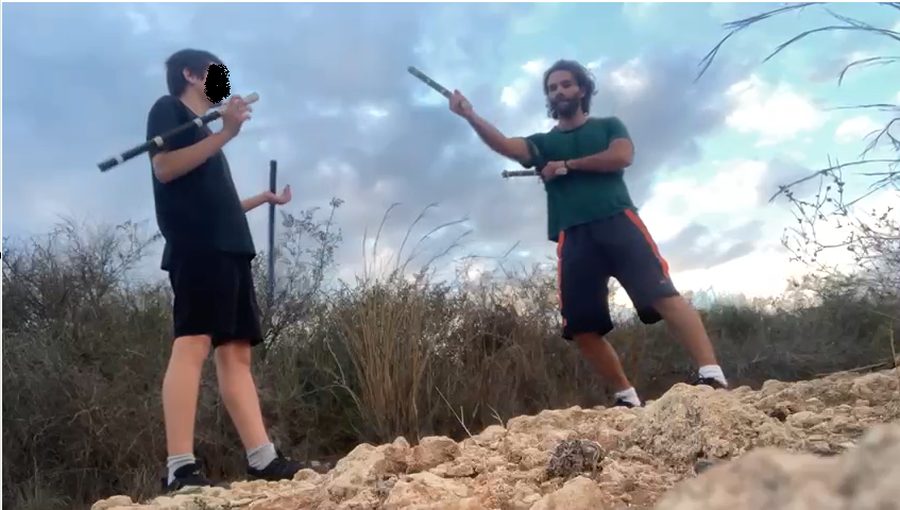
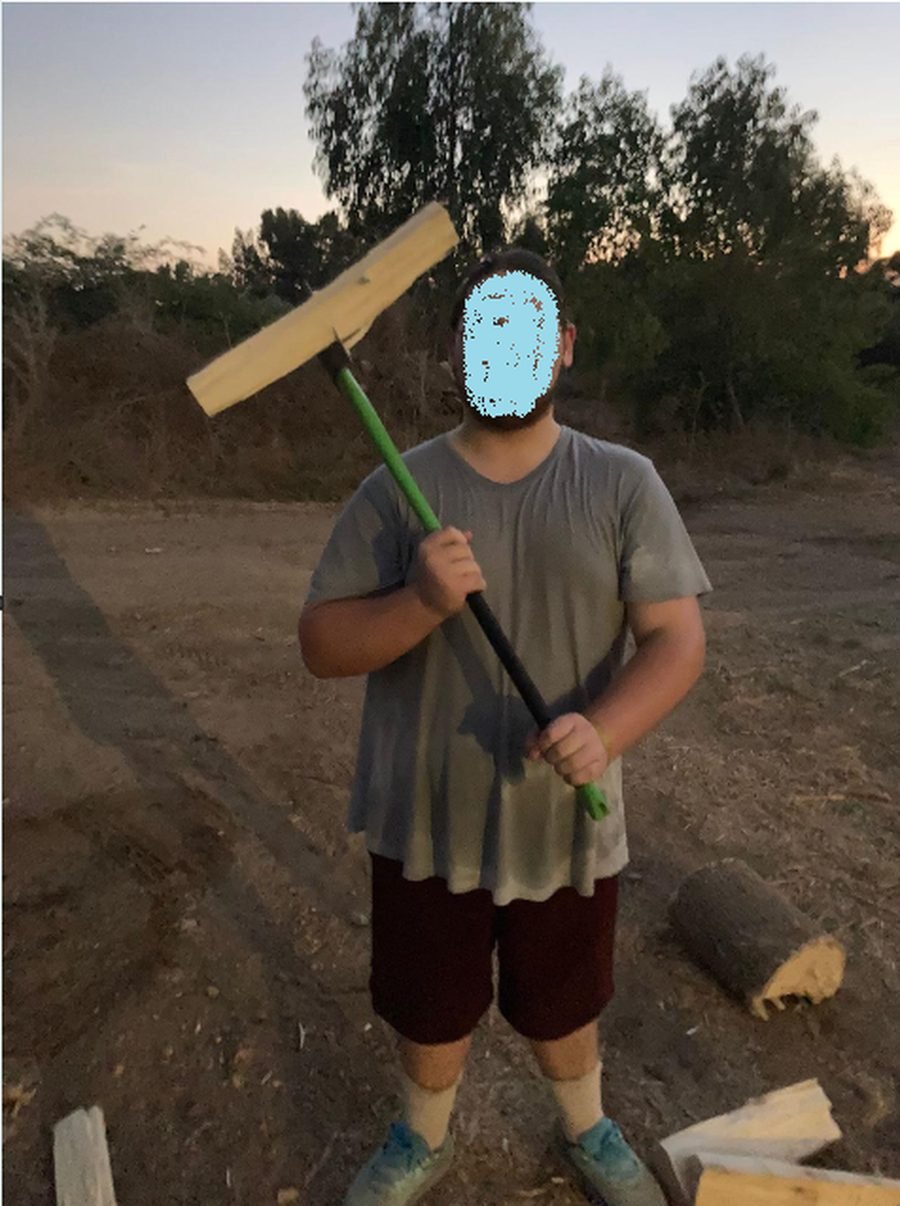
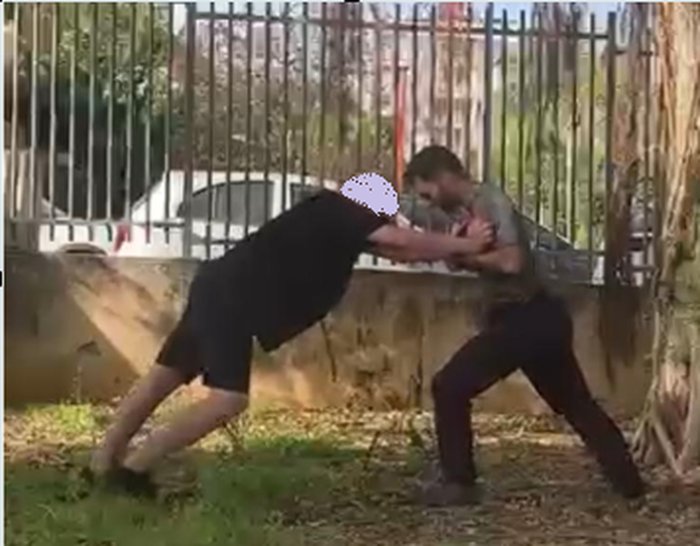
אותה פעילות יכולה להיראות אחרת אצל נערים שונים, ואפילו להשתנות אצל אותו נער לאורך הדרך. לפעמים זו משימת דיוק ותגובה, לפעמים מאמץ פיזי של ממש, ולפעמים תרגול מתואם עם שותף שדורש תזמון מדויק בזמן אמת.
What does a session actually look like?
The session isn't a sports class, and it isn't a fixed series of drills. We start with getting organized and preparing for activity, then work through movement and physical tasks built around the teen's direction of work.
The same activity can look different for different teens, and even change for the same teen over time. Sometimes it's a task of precision and reaction, sometimes real physical effort, and sometimes a coordinated drill with a partner requiring precise timing in real time.
המטרה היא לא לבצע סדרה קבועה של תרגילים, אלא לבנות עבודה שמתאימה לנער שמולך, ולשנות אותה כאשר הוא משתנה.
רוצים לבדוק אם זה מתאים לנער שלכם?
The goal isn't to run through a fixed series of exercises, but to build work that fits the teen in front of you, and change it as he changes.